2.7.1_Orthopedics_Trauma-Devices-hero
medical

Orthopedics

Patient-Focused Performance

We work closely with the medical device industry to develop products that enhance the performance of medical implants, improve surgical techniques, and provide patients with better outcomes. Our diverse portfolio of solutions for device design and implantation allows customers like you to develop advanced components for robust medical devices and surgical procedures such as minimally invasive surgeries. The quality of our materials, along with superior properties, is a critical part of their utility and performance in medical procedures and patient experience.

Powering Orthopedic Device Innovation


Discover Alloys for Orthopedic Excellence
2.7.1_Orthopedics_Trauma-Devices-hero
135+ YEARS

Of medical metallurgy innovation

DURABLE RELIABILITY

For implant longevity

END-TO-END MANUFACTURING

and consistently reliable results

Precision materials for improved patient outcomes.

Carpenter Technology’s specialty alloys help drive patient mobility and promote long-term health by serving as the foundation for high-performance orthopedic devices and implants. Used in diverse medical applications, our portfolio of materials allow engineers to develop advanced components for robust medical devices and surgical procedures.

Materials That Move Patients Forward

Our alloys provide the consistency and mechanical stability needed to elevate surgical precision and streamline orthopedic implantation.

RESTORE MOBILITY

Help orthopedic implants perform throughout a patient’s full range of motion.

FOSTER SURGICAL SUCCESS

Allow surgeons to achieve precise, dependable placement.

ENABLE MODERN ORTHOPEDIC CARE

Support minimally invasive and modular orthopedic systems.

IMPROVE PATIENT RECOVERY

Contribute to safer outcomes and long-term implant confidence.


Download the Medical Materials Brochure
2.7.1_Orthopedics_Spine-Fixation-1

Essential Properties for Orthopedic Applications: An Inside Look

Meet the materials designed for the mechanical and biological demands of orthopedic implants.

Superior Fatigue Resistance

Engineered to withstand cyclic loading, essential for knees, hips, trauma plates, and fixation systems.

Biocompatibility

Fosters long-term patient safety and reliable device integration.

Dimensional Consistency

High uniformity enables repeatable machining, shaping, and finishing across complex orthopedic geometries.

Osseointegration Capability

Titanium and porous-capable alloys promote bone ingrowth and stable long-term fixation.

Corrosion Resistance

Formulated for sustained performance in demanding physiological environments.

Carpenter Technologies - Defense
A History of Excellence

Advanced specialty materials for smaller, lighter, more durable components used in mission critical applications.

Carpenter Technologies - Defense
Quality You Can Trust

Controlled processes and thorough testing deliver confidence in every implant.

Carpenter Technologies - Defense
Access to 200+ Metallurgists

Our team is here to help refine materials and accelerate development.

Your Orthopedic Materials Partner Since 1889

Connect with an Orthopedic Materials Expert
APPLICATION SPOTLIGHT

Orthopedics

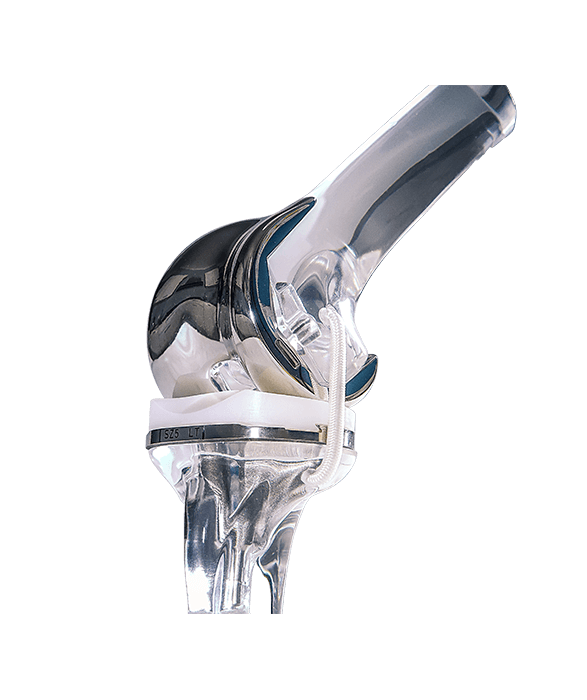
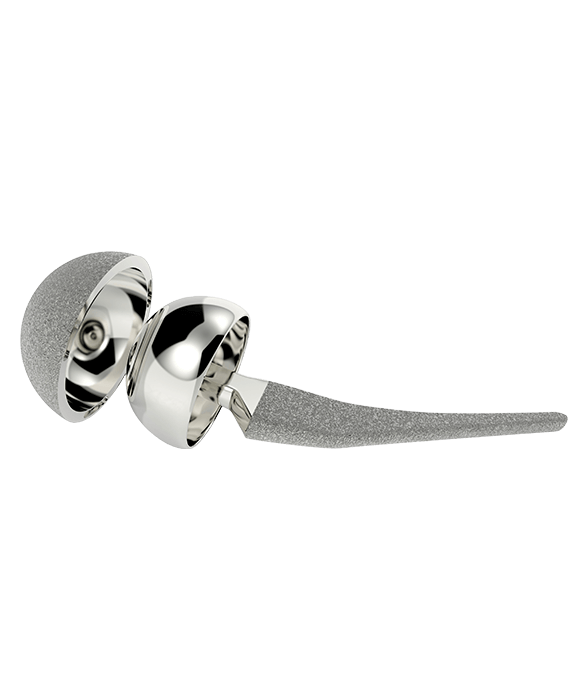
Joint Reconstruction
Joint Reconstruction (Hip, Knee, Extremities)

Orthopedic implants require not only biocompatibility, but also exceptional mechanical properties and corrosion resistance in intense physiological conditions over a long service life, requiring materials with exceptionally high abrasion (wear) and fatigue resistance.

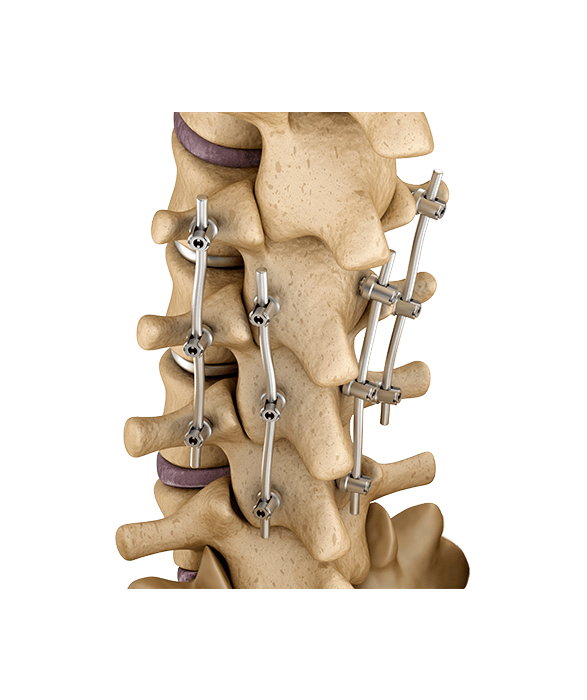
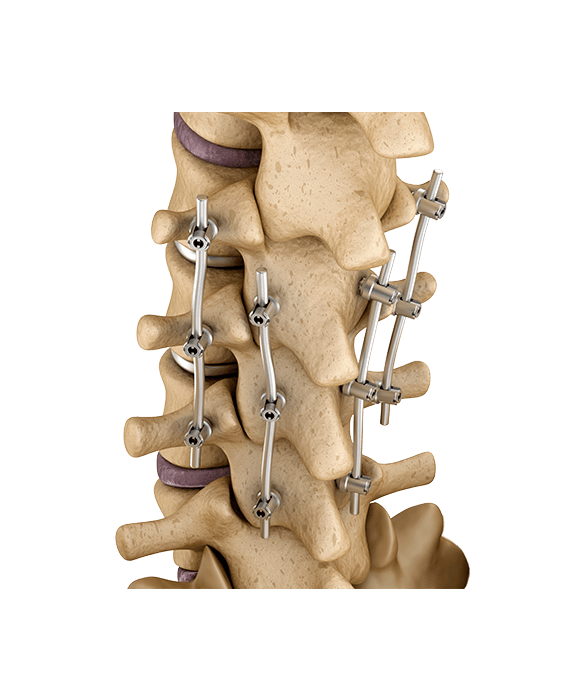
Spine Fixation
Spine Fixation

Spinal deformity devices of ever-decreasing size and complex geometries require materials with higher strength and toughness.

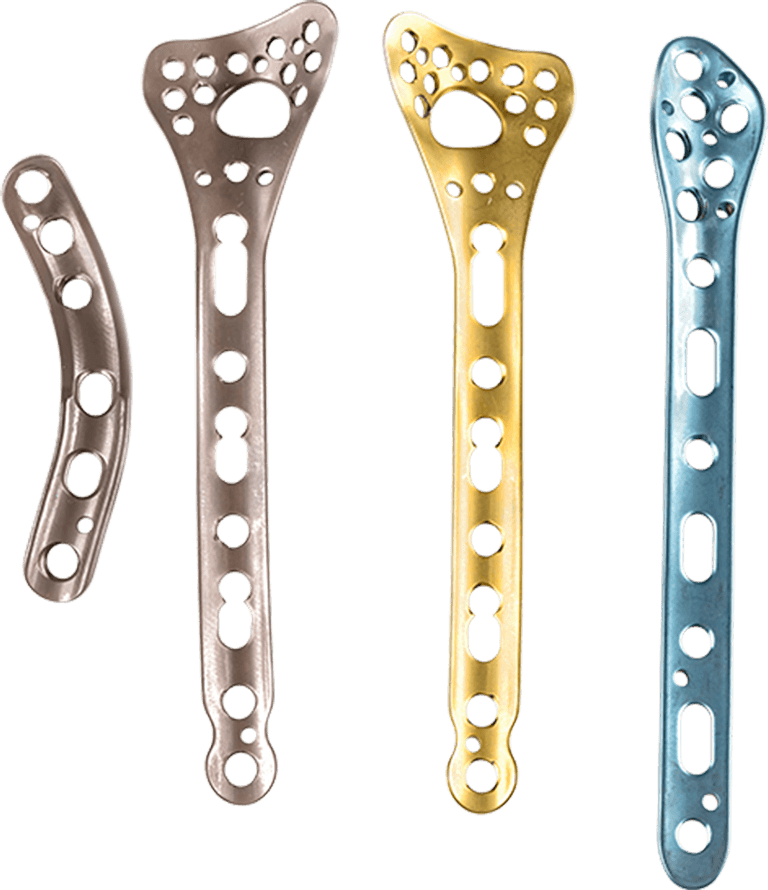
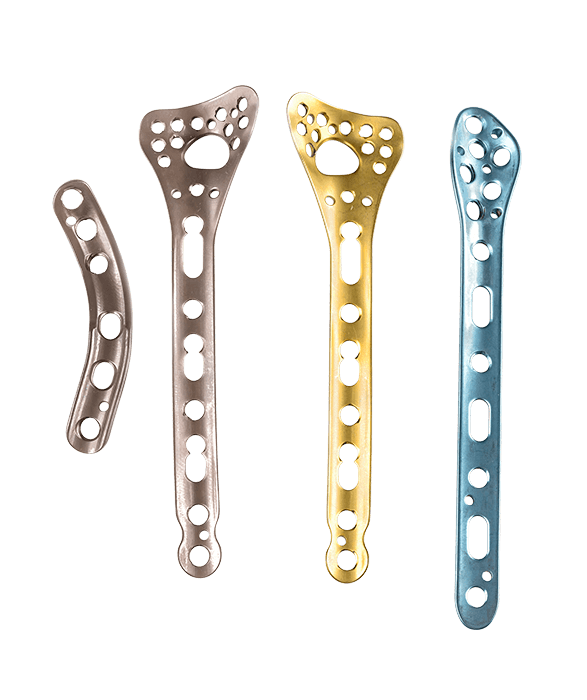
Trauma Devices
Trauma Devices

We provide a wide range of materials that include numerous titanium grades and premium, implantable stainless-steels with exceptional cleanliness and matrix homogeneity, including essentially nickel and cobalt free options for patients with metal sensitivities.

Orthopedic Coatings
Orthopedic Coatings

Porous orthopedic coatings increase bone integration of implants and improve healing times. Angular titanium powders provide a rough surface, enabling increased initial implant stabilization not achievable with conventional spherical coatings.

from our blog

Exploring the Benefits of Nickel-Free and Cobalt-Free Alloys

"Discover the advantages of nickel-free and cobalt-free alloys in various industries, focusing on their high strength, corrosion resistance, and more."

READ MORE

Exploring Essential Titanium Shapes for Medical Materials

"Discover the essential titanium shapes and alloys for medical devices, enhancing safety, functionality, and patient outcomes with material solutions."

READ MORE VIEW ALL

Insights for Advanced Orthopedic Care

Access engineering resources that help orthopedic manufacturers optimize implant design and production.

Discover All Insights

Start Your Next Orthopedic Materials Innovation

Connect with an expert to explore materials engineered for strength, stability, and long-term implant performance.

Form Container

Medical Materials: FAQs

1. What materials are commonly used for orthopedic implants?

High-performance stainless steels, titanium alloys, and cobalt-based materials are selected for their strength, fatigue resistance, and biocompatibility.

2. What factors influence material choice for orthopedic devices?

Praesent id metus massa, ut blandit odio. Proin quis tortor orci. Etiam at risus et justo dignissim congue. Donec congue lacinia dui, a porttitor lectus condimentum laoreet. Nunc eu ullamcorper orci. Quisque.

3. Material properties such as strength-to-size efficiency, elastic behavior, radiopacity, and uniformity directly affect how well devices expand, anchor, and maintain their shape in demanding cardiac conditions.

Praesent id metus massa, ut blandit odio. Proin quis tortor orci. Etiam at risus et justo dignissim congue. Donec congue lacinia dui, a porttitor lectus condimentum laoreet. Nunc eu ullamcorper orci. Quisque.

4. Material properties such as strength-to-size efficiency, elastic behavior, radiopacity, and uniformity directly affect how well devices expand, anchor, and maintain their shape in demanding cardiac conditions.

Praesent id metus massa, ut blandit odio. Proin quis tortor orci. Etiam at risus et justo dignissim congue. Donec congue lacinia dui, a porttitor lectus condimentum laoreet. Nunc eu ullamcorper orci. Quisque.

5. Material properties such as strength-to-size efficiency, elastic behavior, radiopacity, and uniformity directly affect how well devices expand, anchor, and maintain their shape in demanding cardiac conditions.

Praesent id metus massa, ut blandit odio. Proin quis tortor orci. Etiam at risus et justo dignissim congue. Donec congue lacinia dui, a porttitor lectus condimentum laoreet. Nunc eu ullamcorper orci. Quisque.
icon-resource

Related Resources

Browse our growing library of resources for the market including case studies, product brochures, technical data sheets, product selection guides, and more.