Please update your browser.
CarpenterTechnology.com doesn’t support this browser version any longer. Using an updated browser will provide a better experience.
Learn more about recommended browser requirements for CarpenterTechnology.com
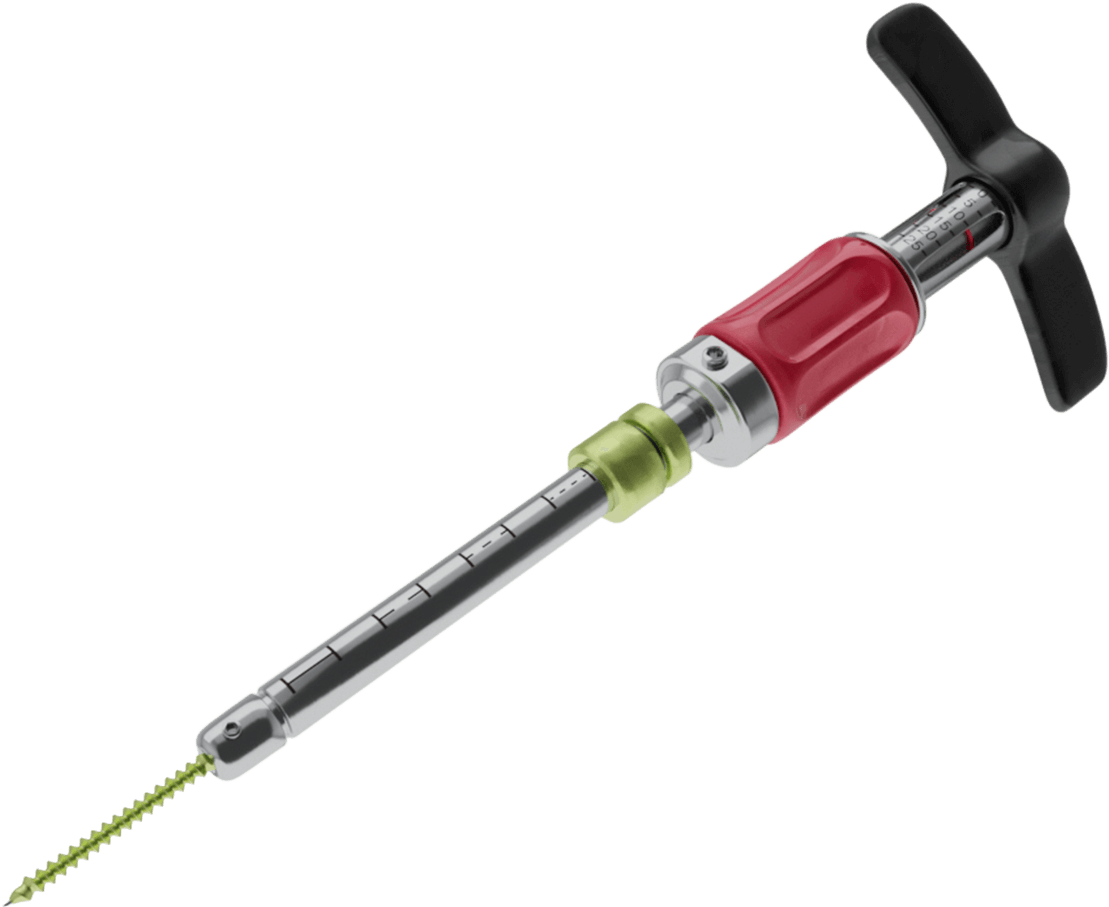
Less Invasive Procedures Enable Better Patient Recovery
The future of medical procedures is driven in part by the development of less invasive techniques that allow patients to recover faster. We help make these techniques possible. Our products and knowledge have helped us team with the medical profession to develop smaller, stronger tools and devices. These allow new and better techniques for surgeons, helping them achieve outcomes that would have been impossible a short time ago.
Discover Alloys Built for Surgical Precision

Shaping the future of surgery
For smaller, more ergonomic instruments
With end-to-end manufacturing
Carpenter Technology delivers advanced alloys engineered for the durability and reliability demanded in modern surgical instrumentation. Our materials support minituarization of surgical tech instruments and consistent performance across repeated clinical use
Carpenter Technology materials empower next-generation surgical tools that advance clinical outcomes and patient care.
Durable materials reduce wear and promote dependable performance across procedures.
Thin-wall, lightweight solutions support smaller instruments and less disruptive surgical approaches.
Refined microstructure alloys support intricate geometries and dependable function in robotic surgical devices.
Corrosion-resistant, biocompatible materials stay safe and reliable over time.
Download the Medical Materials Brochure

Our alloys are uniquely engineered to meet the extreme metallurgical challenges of life-critical applications:
Withstands harsh cleaning agents and long-term clinical exposure.
Trusted high-strength materials for implantable components (clips, staples) where patient safety is paramount.
Optimized for superior hardness and wear resistance, keeping blades and cutting edges sharp and reliable.
Reliable strength and toughness deliver predictable behavior throughout demanding use.
Consistent microstructures support fine features, tight tolerances, and complex geometries.
Advancing surgical instruments through decades of metallurgy leadership.
Rigorous testing and process control designed for life-critical applications.
Access 200+ metallurgists ready to collaborate on your next project.
Our material solutions are used for the next generation of implantable surgical clips where elevated properties are required surgical clips and suture wire.
Stability under high fatigue requirements and good ductility with a combination of strength and corrosion resistance
High-strength, vacuum arc remelted, low carbon, high nickel and molybdenum alloy with chemistry modifications designed to maximize corrosion resistance
Seamless tubing with increased strength allows for thinner wall structures enabling surgeons to perform minimally invasive surgeries that reduce patient damage and improve healing times.
Best-in-class high-strength stainless steel with good edge retention and corrosion resistance
Martensitic precipitation, age-hardenable stainless alloy offering high strength and hardness, excellent corrosion resistance, and good fabricating characteristics
Our broad portfolio of materials offer a range of solutions for surgical staples and instrumentation, including titanium optimized for manufacturing and high-strength stainless alloys that enable reduced instrument size and tighter radii.
Titanium offers increased corrosion resistance and a high strength-to-weight ratio. Available in four commercially pure grades to optimize performance
Best-in-class high-strength stainless steel designed for improved notch tensile strength, fracture toughness already commonly used in screwdrivers and nut drivers
Martensitic precipitation, age-hardenable stainless alloy offering high strength and hardness, excellent corrosion resistance, and good fabricating characteristics
"Discover the advantages of nickel-free and cobalt-free alloys in various industries, focusing on their high strength, corrosion resistance, and more."
READ MORE"Discover the essential titanium shapes and alloys for medical devices, enhancing safety, functionality, and patient outcomes with material solutions."
READ MORE VIEW ALLPartner with our medical materials experts to design safer, stronger, and more reliable medical devices.
1. What materials are best for surgical instruments?
High-performance stainless steels (like Custom 465® and BioDur® grades), titanium alloys, and cobalt-based material are used for their light weight strength, corrosion resistance, and durability.
2. What factors influence material selection for surgical tech instruments?
Performance needs such as required strength, corrosion resistance, edge retention, manufacturability, biocompatibility, or shape and precision considerations drive selection.
3. Which alloys offer the best edge retention for cutting tools?
4. Do you provide materials for robotic or minimally invasive instruments?
5. Can you help with material selection early in the design process?
Absolutely. Our team of 200+ metallurgists and application engineers partners with OEMs to evaluate performance requirements, compare alloy options, and accelerate development timelines.
Browse our growing library of resources for the market including case studies, product brochures, technical data sheets, product selection guides, and more.