Please update your browser.
CarpenterTechnology.com doesn’t support this browser version any longer. Using an updated browser will provide a better experience.
Learn more about recommended browser requirements for CarpenterTechnology.com
What we do changes people's lives. Biomedical implants and surgical instruments must meet extremely stringent composition, fabrication, and functional standards.
We work closely with the medical industry to develop and apply new products and processes that transform what the medical world and patients are able to achieve.
Find the Right Alloy for Your Life-Critical Application

Customers call on us when they need to rethink the boundaries of specialty alloys
Premium melting and rigorous testing processes foster patient-ready performance.
Access 200+ metallurgists across all key application areas.
Global melt-to-finish traceability supports consistent quality, OEM confidence, and compliance.
Carpenter Technology delivers high-performance alloys that transform what the medical world is able to achieve, from implantable components to precision surgical tools. With decades of materials leadership and deep application expertise, we help medical manufacturers design safer, stronger, and more advanced medical implants and device systems that drive patient success.
Our materials foster innovation across the entire medical device landscape.
Learn more about the alloys engineered for the mechanical, biological, and regulatory demands of life-critical medical systems.
ESR/VAR melting minimizes inclusions for superior fatigue resistance and long-term implant reliability.
Tight composition control for consistent performance from melt to finished surgical device.
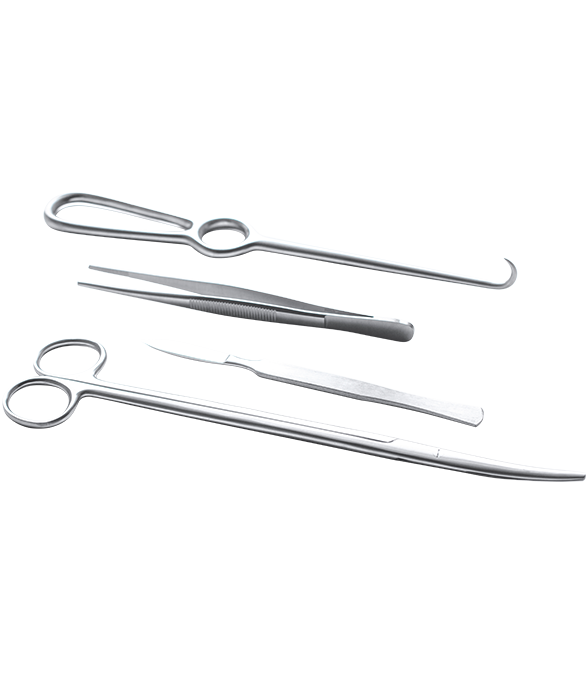
Fine, stable grain structures are ideal for guide wires, dental abutments, and surgical instruments.
Materials are proven safe for long-term use in implants, including orthopedic and dental applications.
Engineered for superior performance under repeated physiological stress and intense daily wear.
Download the Medical Materials Brochure

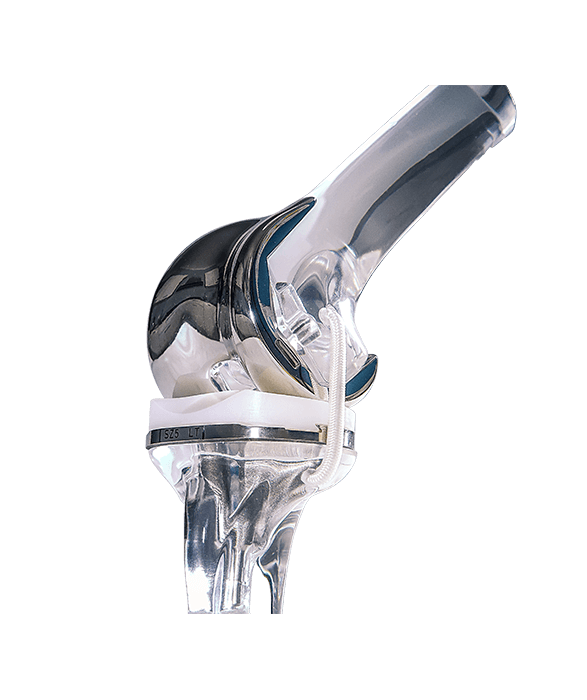
Orthopedic implants require not only biocompatibility, but also exceptional mechanical properties and corrosion resistance in intense physiological conditions over a long service life, requiring materials with exceptionally high abrasion (wear) and fatigue resistance.
Enhanced strength and wear resistance can be achieved by incorporating cold work in the material. Small diameter offerings available
Retains higher strength and exceptional wear resistance irrespective of manufacturing method driving consistent performance over lifetime
Increased processability due to finer grain sizes and superior homogeneous composition available in small diameter offerings to improve processing yields
Titanium offers increased corrosion resistance and a high strength-to-weight ratio. Available in four commercially pure grades
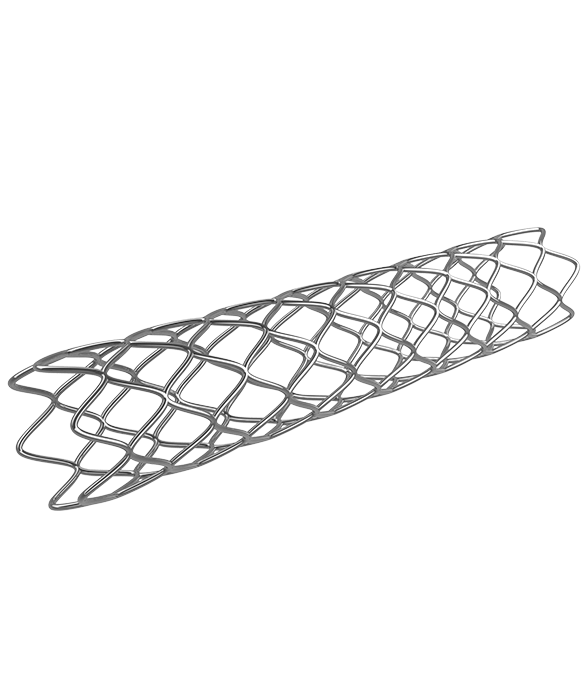
Our materials enable expandable stents with high elastic modulus, low recoil, thinner struts through strong tensile properties. Reducing strut thickness improves clinical performance and reduces stent size, enabling access to smaller vessels.
Nonmagnetic with a unique combination of ultra-high tensile strength, good ductility and toughness, with excellent corrosion resistance
Nonmagnetic solid-solution strengthened cobalt base alloy with oxidation-corrosion, good ductility, and toughness
Stability under high fatigue requirements and good ductility with a combination of strength and corrosion resistance. Non ferromagnetic, and MRI safe
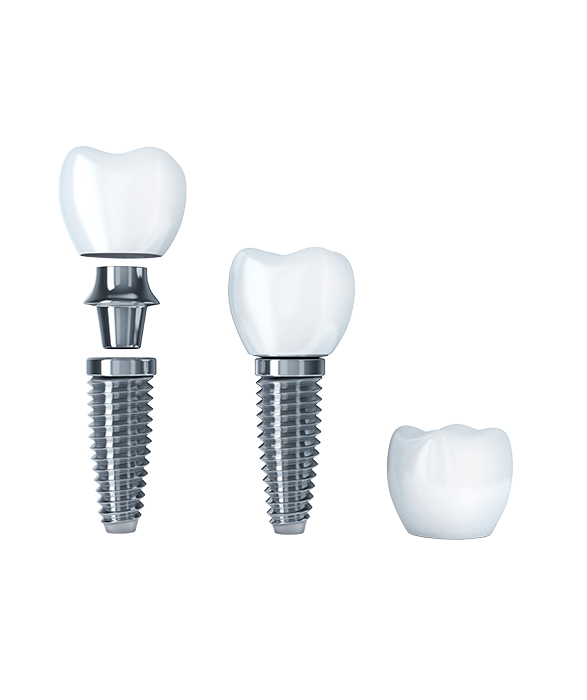
High-strength biocompatible materials resistant to corrosion and fracturing are essential for high-quality crowns, dental implants, and surgical instrumentation. Our materials have the necessary strength and low-nickel content for patients with metal sensitivities.
FDA-approved essentially nickel and cobalt free austenitic stainless with exceptionally high tensile and fatigue strength
Low nickel version retains higher strength and exceptional wear resistance irrespective of manufacturing method driving consistent performance over lifetime
Titanium offers increased corrosion resistance and a high strength-to-weight ratio. Available in four commercially pure grades
Extra-low interstitial ASTM B348 Grade 23 has superior damage tolerance and better mechanical properties at cryogenic temperatures
Our material solutions are used for the next generation of implantable surgical clips where elevated properties are required surgical clips and suture wire.
Stability under high fatigue requirements and good ductility with a combination of strength and corrosion resistance
High-strength, vacuum arc remelted, low carbon, high nickel and molybdenum alloy with chemistry modifications designed to maximize corrosion resistance
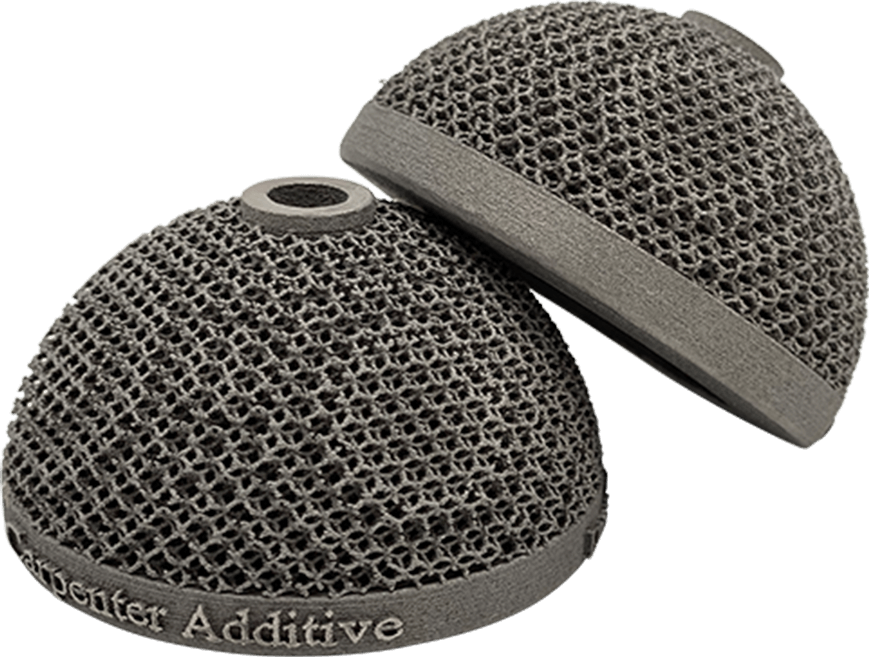
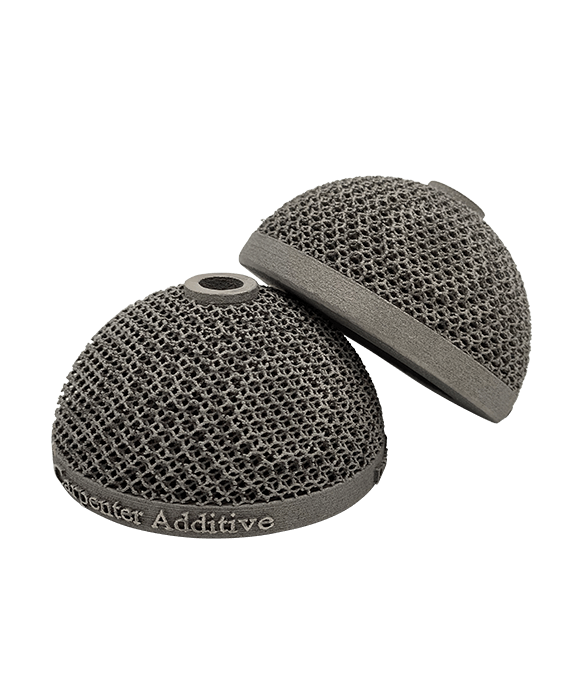
Partner with us for end-to-end production of components, patient-matched implants, or application-specific tools created with additive manufacturing in our production facilities with powder lifecycle management and risk mitigation.
Ti64 Grade 23+ combines controlled powder chemistry with lower oxygen content and optimized print parameters to provide 15-20% improvement in mechanical properties
NiTi alloys with optimized powder chemistry and print parameters exhibit superelastic and shape memory properties
Customers call on us when they need to rethink the boundaries of specialty alloys or how our existing top-performance materials can solve new design challenges. We foster long-term relationships to support risk-averse innovation and explore advanced product applications together.
"Discover the advantages of nickel-free and cobalt-free alloys in various industries, focusing on their high strength, corrosion resistance, and more."
READ MORE"Discover the essential titanium shapes and alloys for medical devices, enhancing safety, functionality, and patient outcomes with material solutions."
READ MORE VIEW ALLExplore our specialized engineering insights to simplify material selection for critical medical devices, including implants and surgical tools. Our resource library provides practical data and performance comparisons, backed by 135+ years of metallurgical expertise.
Partner with our medical materials experts to design stronger and more reliable medical devices.
1. Why are specialty alloys important in medical device manufacturing?
2. How can I ensure the metal materials I use meet the highest biocompatibility standards?
3. Material properties such as strength-to-size efficiency, elastic behavior, radiopacity, and uniformity directly affect how well devices expand, anchor, and maintain their shape in demanding cardiac conditions.
4. What services are available for material testing in the medical field?
5. What are the top suppliers of titanium materials for medical devices?
Browse our growing library of resources for the medical market including case studies, product brochures, technical data sheets, product selection guides and more.