Please update your browser.
CarpenterTechnology.com doesn’t support this browser version any longer. Using an updated browser will provide a better experience.
Learn more about recommended browser requirements for CarpenterTechnology.com
Minimally Invasive Through Material Innovation
Advanced cardiovascular solutions involve increasingly intricate, less invasive surgeries. To enable minimally invasive surgeries, implants and instrumentation must be smaller and stronger than ever before. Our premium materials have superior metallurgical properties in addition to biocompatibility and radiopacity to satisfy critical design criteria in intricate, small dimensions. The result is less invasive surgeries with better patient outcomes.
Metallurgy That Powers Cardiac Device Performance

Shaping the future of surgery
For microscale cardiac device design
To improve long-term outcomes
Cardiovascular innovations depend on minimally invasive procedures and smaller, stronger implants. Carpenter Technology’s alloys deliver the performance, biocompatibility, and radiopacity needed for compact designs that enhance device function and patient outcomes.
With consistent, high-quality properties, our materials help refine cardiac implant designs and make interventional treatments more effective.
Enable cardiac devices to navigate small, delicate anatomies.
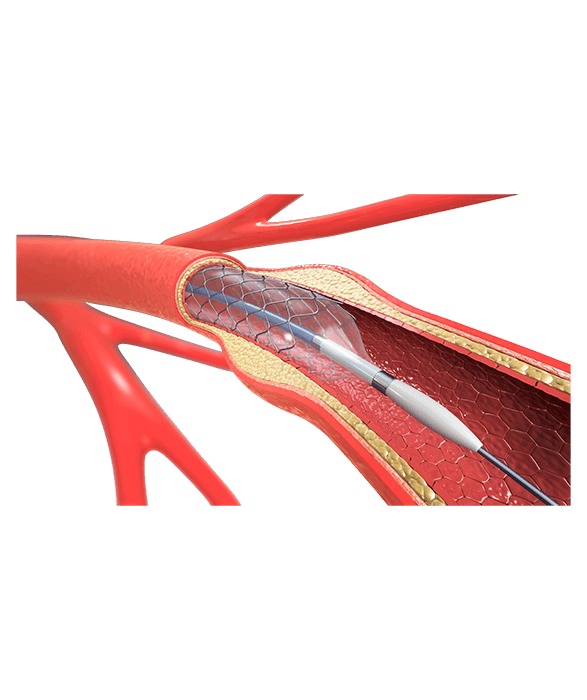
Provide predictable behavior during stent and structural heart placement.
Power innovative solutions for rhythm management and vascular repair.
Strengthen implant durability and biocompatibility for lasting confidence.
Download the Medical Materials Brochure

Learn what makes our materials suited for the unique demands of cardiovascular implants.
Built to endure continuous cyclic motion in stents, guidewires, and cardiac implant systems.
Ensures patient safety and dependable function in long-term cardiovascular implants.
Formulated for stable, long-term performance in demanding physiological environments.
Delivers stability in small profiles, allowing thinner stents and compact cardiac implant components.
Offers predictable performance in the tight, delicate dimensions of advanced cardiac devices.
Decades of metallurgy expertise guiding the evolution of cardiovascular devices.
Rigorous testing and process control designed for life-critical applications.
Our metallurgists partner with you to refine materials and advance development.
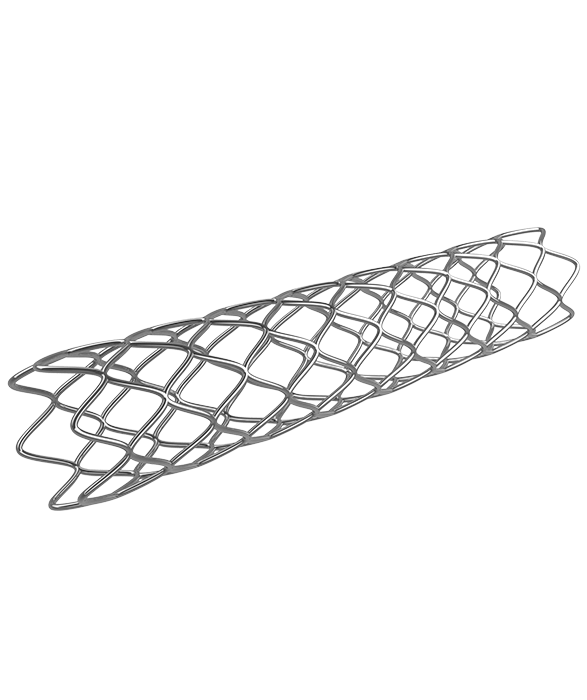
Our materials enable expandable stents with high elastic modulus, low recoil, and thinner struts through strong tensile properties. Reducing strut thickness improves clinical performance and reduces stent size, enabling access to smaller vessels.
Nonmagnetic with a unique combination of ultra-high tensile strength, good ductility and toughness, with excellent corrosion resistance
Nonmagnetic solid-solution strengthened cobalt base alloy with oxidation-corrosion, good ductility, and toughness
Stability under high fatigue requirements and good ductility with a combination of strength and corrosion resistance. Non ferromagnetic, and MRI safe
Minimally invasive procedures via small keyhole incisions minimize patient damage and accelerate healing times. Small-diameter cobalt allows for efficient processing for fine applications to enable minimally invasive surgeries.
Nonmagnetic with a unique combination of ultra-high tensile strength, good ductility and toughness, with excellent corrosion resistance
Nonmagnetic solid-solution strengthened cobalt base alloy with oxidation-corrosion, good ductility, and toughness
Vacuum arc remelted, low carbon, high nickel and molybdenum alloy with chemistry modifications designed to maximize corrosion resistance
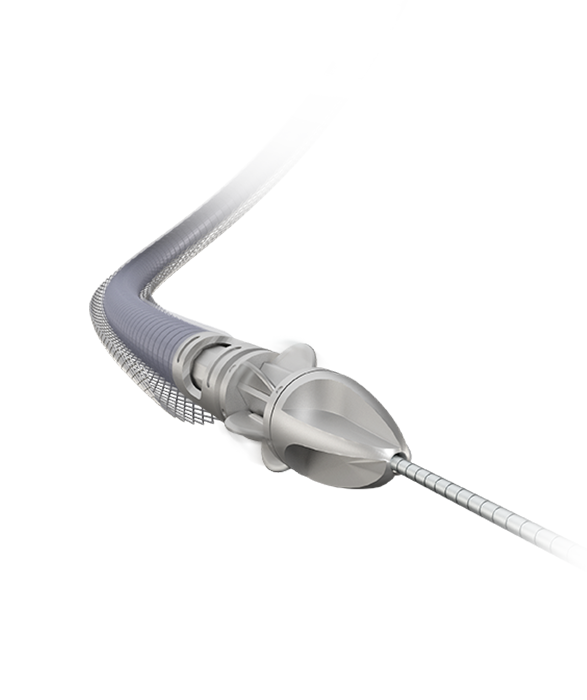
When creating intravenous blades for atherectomy procedures, a designer must ensure adequate strength and be extraordinarily cautious about potential cracking and fracture inside the blood vessel.
Nonmagnetic with a unique combination of ultra-high tensile strength, good ductility and toughness, with excellent corrosion resistance
Nonmagnetic solid-solution strengthened cobalt base alloy with oxidation-corrosion, good ductility, and toughness
The unique combination of strength and fracture toughness significantly reduces the probability of a blade fracturing inside an artery
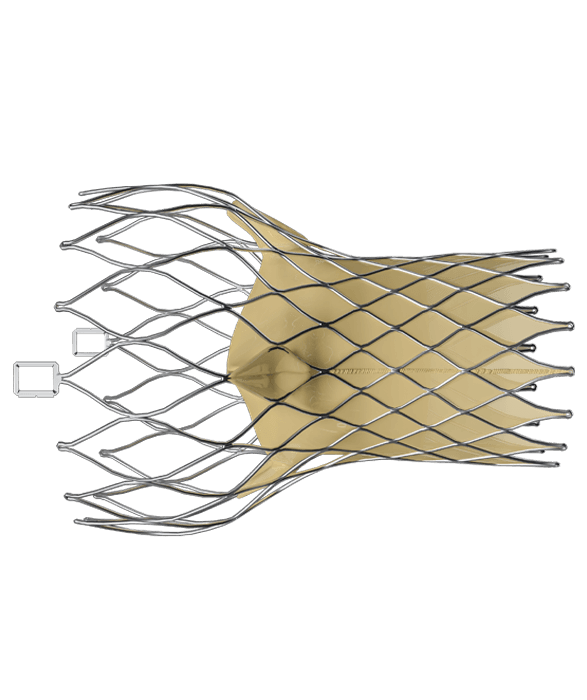
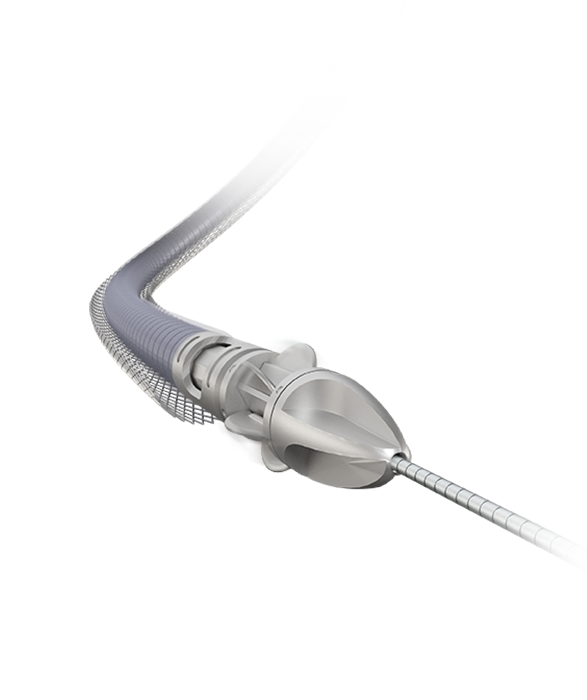
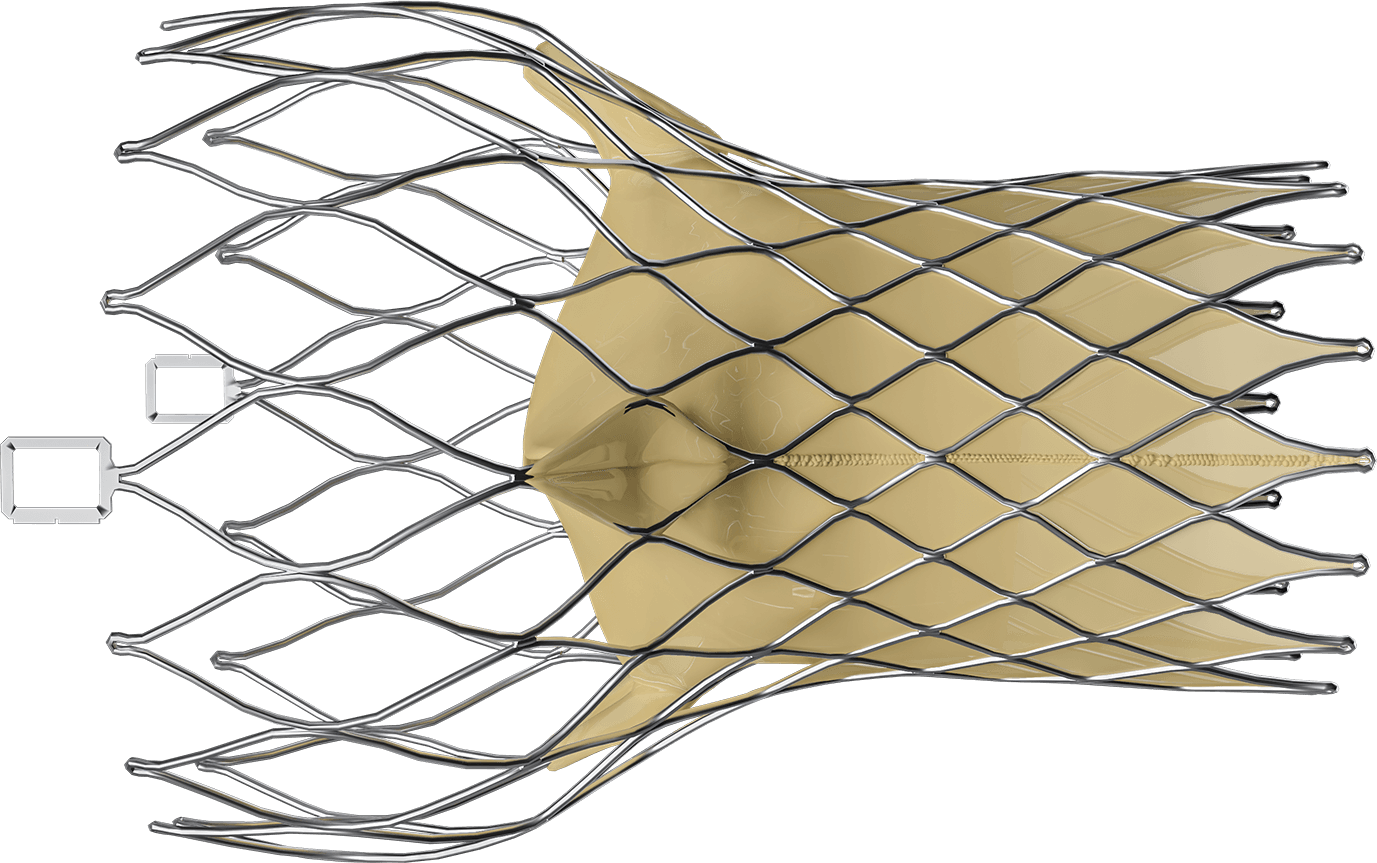
The latest-generation transcatheter heart valve systems use CCM frames to ensure high radial strength and optimal hemodynamics. They are radiopaque for easy visualization and provide a low frame height with an open cell geometry.
Retains higher strength and exceptional wear resistance irrespective of manufacturing method driving consistent performance over its lifetime
High-carbon version, retains higher strength and exceptional wear resistance irrespective of manufacturing method driving consistent performance over lifetime
"Discover the advantages of nickel-free and cobalt-free alloys in various industries, focusing on their high strength, corrosion resistance, and more."
READ MORE"Discover the essential titanium shapes and alloys for medical devices, enhancing safety, functionality, and patient outcomes with material solutions."
READ MORE VIEW ALLPartner with our medical materials experts to design stronger and more reliable medical devices.
1. Why are specialty alloys important in medical device manufacturing?
2. How can I ensure the metal materials I use meet the highest biocompatibility standards?
3. Material properties such as strength-to-size efficiency, elastic behavior, radiopacity, and uniformity directly affect how well devices expand, anchor, and maintain their shape in demanding cardiac conditions.
4. What services are available for material testing in the medical field?
5. What are the top suppliers of titanium materials for medical devices?
Browse our growing library of resources for the market including case studies, product brochures, technical data sheets, product selection guides, and more.