High-Performance Alloys for the Next Generation of Forced Induction

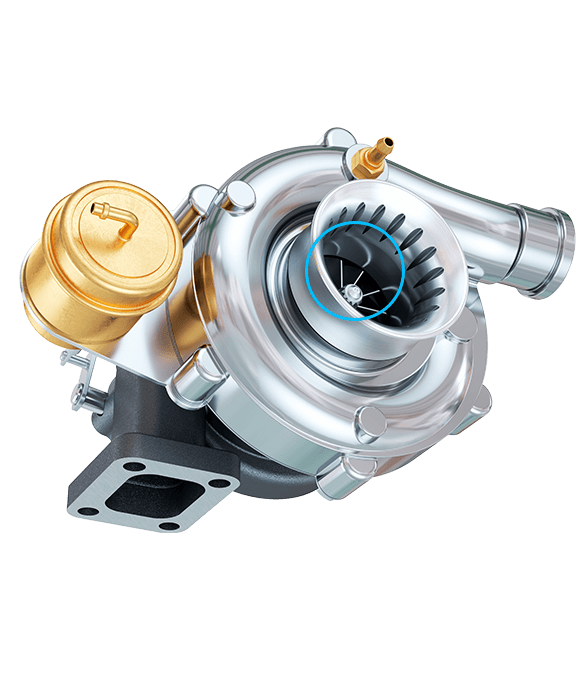
Turbochargers operate at the absolute limit of material science, with rotational speeds exceeding 200,000 RPM and temperatures that can melt standard steels. Carpenter Technology provides the nickel-base superalloys and heat-resistant stainless steels required to ensure turbocharger efficiency and longevity—helping OEMs meet tightening emission standards and performance demands.

2.2.3_Turbocharger_Vanes

CE_Benefit_Icon_Thermal_Management

1800°F+ THERMAL ENDURANCE

Superalloys engineered for the extreme exhaust gas temperatures of gasoline engines.

CE_Benefit_Icon_Torque

HIGH-SPEED ROTATIONAL STABILITY

Materials with superior creep resistance to maintain housing and wheel tolerances.

CT_Market_Icon_Automotive

GLOBAL AUTOMOTIVE SCALE

Consistent material quality and pricing to support high-volume global turbo platforms.

ENGINEERING RELIABILITY INTO THE EYE OF THE STORM

As engines downsize and boost pressures rise, the thermal and mechanical loads on turbocharger components have reached unprecedented levels. Carpenter Technology’s alloys are designed to resist "heat checking," oxidation, and centrifugal creep. Whether you are designing for a light-duty passenger car or a heavy-duty industrial engine, our materials provide the structural integrity needed to maximize boost and minimize field failures.
COMBAT THERMAL FATIGUE

Alloys designed to survive the rapid expansion and contraction of thousands of cold-start and high-load cycles.

PREVENT HIGH-TEMP OXIDATION

Specialized chemistries that prevent the formation of scale and surface degradation in the exhaust stream.

ENSURE FASTENER INTEGRITY

Heat-resistant bolting solutions that maintain clamp load despite continuous exposure to glowing-hot temperatures.

OPTIMIZE MANUFACTURING YIELDS

Right-sized product forms and consistent microstructures that improve the machinability of complex turbo housings and wheels.

2.2.3_Turbocharger_Shaft-VERTICAL
icon-carpenter-technology-logo
Superior Creep-Rupture Strength

Maintains dimensional stability under extreme centrifugal force and heat, preventing wheel-to-housing contact.

icon-carpenter-technology-logo
Exceptional Red Hardness

The ability to maintain mechanical strength even when components are operating at a dull red heat.

icon-carpenter-technology-logo
Resistance to Stress Corrosion Cracking

Formulated to withstand the corrosive byproducts found in modern EGR (Exhaust Gas Recirculation) systems.

icon-carpenter-technology-logo
Uniform Heat Treat Response

Ensures that every part in a high-volume run achieves the exact hardness and fatigue life required.

Turbocharger Excellence: An Inside Look

We combine over a century of high-temperature metallurgy with advanced processing to solve the industry’s most difficult forced-induction challenges.

Connect With an Expert

APPLICATION SPOTLIGHT

Key Turbocharger Applications

2.2.3_Turbocharger_Turbine-Shaft_Wheel
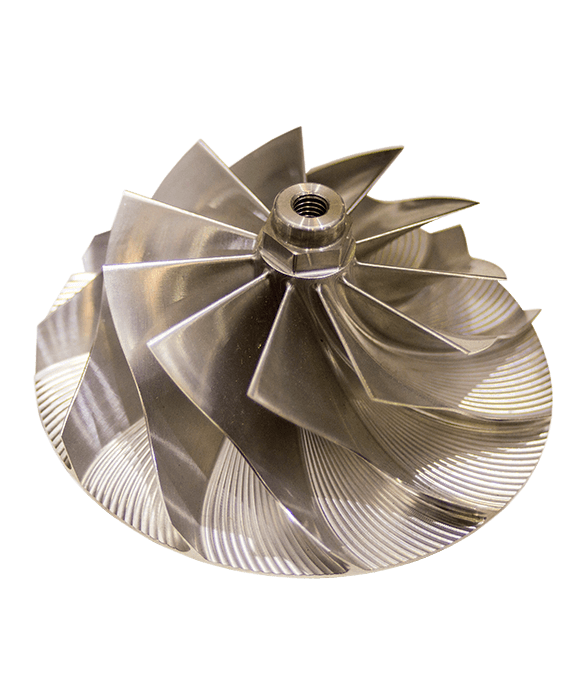
Turbine Wheels & Shafts

Rotating at incredible speeds, the turbine wheel must survive high-velocity exhaust pulses and extreme heat. Our nickel-base superalloys provide the creep-rupture strength required for 200,000+ RPM.

2.2.4_Motorsports-and-Aftermarket_Fasteners
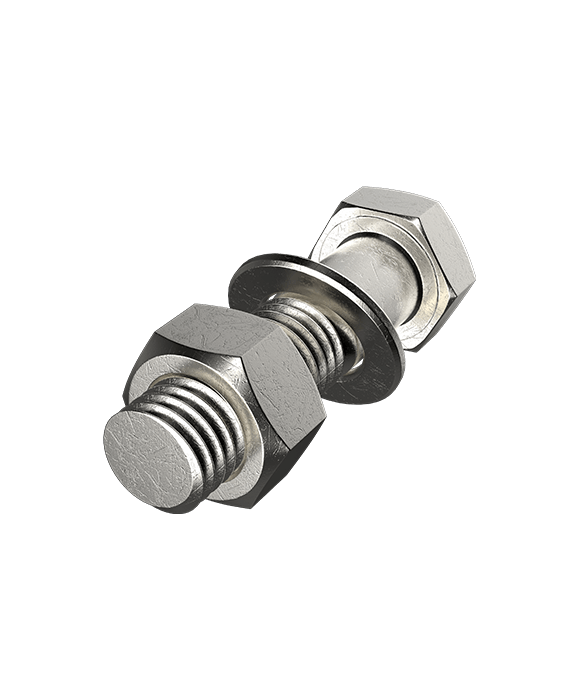
Turbocharger Fasteners & Manifold Bolts

Standard fasteners often loosen or fail when exposed to the heat of a turbocharger housing. Our alloys maintain their "spring" and clamp load even at 1300°F and above.

2.2.3_Turbocharger_Vanes
Housings & Wastegate Components

Wastegate valves and housings face the brunt of the exhaust heat. Our materials prevent warping and ensure the bypass valve continues to seal perfectly over the life of the engine.

Frequently Asked Questions: Turbocharger Materials

Why is nickel content critical for turbocharger turbine wheels?

High nickel content allows the alloy to maintain its crystalline structure and mechanical strength at temperatures where iron-based steels would soften and "creep" (stretch), causing the wheel to hit the housing.

How do your materials handle the corrosive effects of EGR systems?

Exhaust Gas Recirculation (EGR) introduces corrosive gasses back into the system. Our alloys like 625 and 718 are engineered with high chromium and molybdenum to resist acid and chloride-induced corrosion.

What is the benefit of A-286 for turbocharger fasteners?

A-286 maintains its tensile strength and resists oxidation much better than 300-series stainless steels. This prevents "bolt relaxation," ensuring the turbo remains securely sealed to the manifold throughout its life.

Can Carpenter Technology support high-volume global automotive production?

Yes. We provide consistent global quality and a secure supply chain, allowing automotive OEMs to specify a material once and receive the same performance at manufacturing sites worldwide.

Boost Your Design Reliability

Partner with our turbocharger experts to select the materials that will define the efficiency and life of your next platform.