Please update your browser.
CarpenterTechnology.com doesn’t support this browser version any longer. Using an updated browser will provide a better experience.
Learn more about recommended browser requirements for CarpenterTechnology.com
See Alloys for Implant Reliability

Trusted expertise in dental metallurgy
For high-precision implant components
Supporting healthier outcomes over time
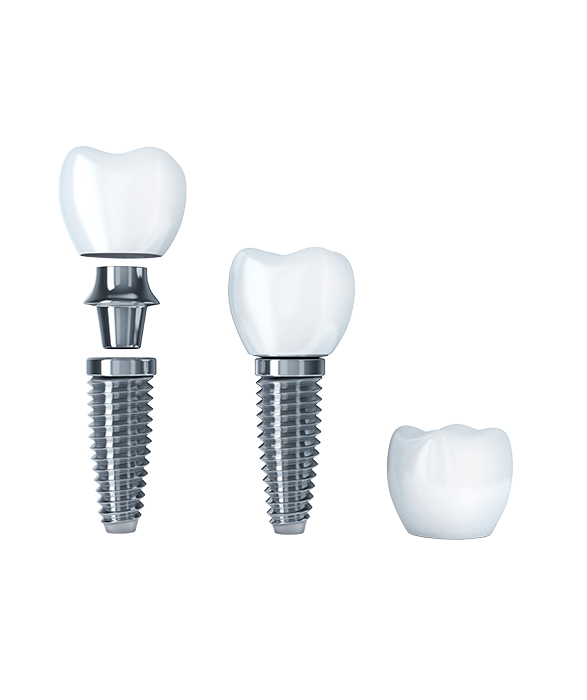
As dental implant systems evolve, manufacturers require alloys that support intricate machining, resist degradation in oral environments, and maintain structural integrity. Carpenter Technology’s materials enable finely detailed dental abutments and robust implant screws while helping reduce patient complications linked to corrosion and mechanical breakdown.
Through stable, high-performing material properties, our alloys support stronger dental implant systems, smoother restorative workflows, and more dependable clinical results.
Support components designed to promote long-term stability in the oral environment.
Provide the consistency needed to machine accurate dental abutments and implant screws.
Enable reliable performance across digital workflows, custom abutments, and minimally invasive implant procedures.
Help reduce risks of mechanical wear, corrosion, and loosening for durable, predictable outcomes.
Download the Medical Materials Brochure

Discover the material advantages that help dental implant screws, abutments, and instruments meet the rigors of oral use.
Engineered to maintain performance under repeated bite forces and continuous functional loading.
Ensures compatibility with surrounding oral tissues to support stable, long-lasting implantation and patient health.
Formulated to resist oral fluids, cleaning agents, and temperature changes for long-term stability.
Delivers dependable strength in compact geometries needed for refined, minimally invasive dental designs.
Provides consistent machining behavior for intricate shapes used throughout dental applications.
Expertise refined over decades to improve today’s dental implant technologies.
Precision-focused manufacturing and testing for stable performance.
Access our team for better alloy selection across dental applications.
High-strength biocompatible materials resistant to corrosion and fracturing are essential for high-quality crowns, dental implants,and surgical instrumentation. Our materials have the necessary strength and low-nickel content for patients with metal sensitivities.
Careful additions and carbide control gives this hardenable martensitic stainless alloy superior corrosion resistance with hardness up to 51 HRC
The strongest grade of commercially pure titanium available, with excellent corrosion fatigue resistance and good ductility
Extra-low interstitial ASTM B348 Grade 23 has superior damage tolerance and better mechanical properties at cryogenic temperatures
A workhorse of the medical industry, providing the best combination of corrosion resistance, strength, and toughness of any commercially available material
Increased resistance to fatigue and distortion enables better shape retention over extended periods of time. Corrosion resistance permits longevity with regular interactions with topical fluoride based agents and oral enzymes.
Stability under high fatigue requirements and good ductility with a combination of strength and corrosion resistance
Unique combination of ultra-high tensile strength, good ductility and toughness, with excellent corrosion resistance
"Discover the advantages of nickel-free and cobalt-free alloys in various industries, focusing on their high strength, corrosion resistance, and more."
READ MORE"Discover the essential titanium shapes and alloys for medical devices, enhancing safety, functionality, and patient outcomes with material solutions."
READ MORE VIEW ALLBrowse resources that help improve material selection, design optimization, and production quality for dental devices.
Discover All InsightsCollaborate with our experts to refine alloy choices that promote cleaner machining, stronger components, and reliable clinical results.
1. How do alloys influence the durability of dental implants?
2. Why is corrosion stability critical in dental applications?
3. How does alloy selection influence the risk of implant complications?
4. Are diffrent alloys recommended for implants versus instruments
5. Where can i find premium alloys for manufacturing biocompatible medical implants?